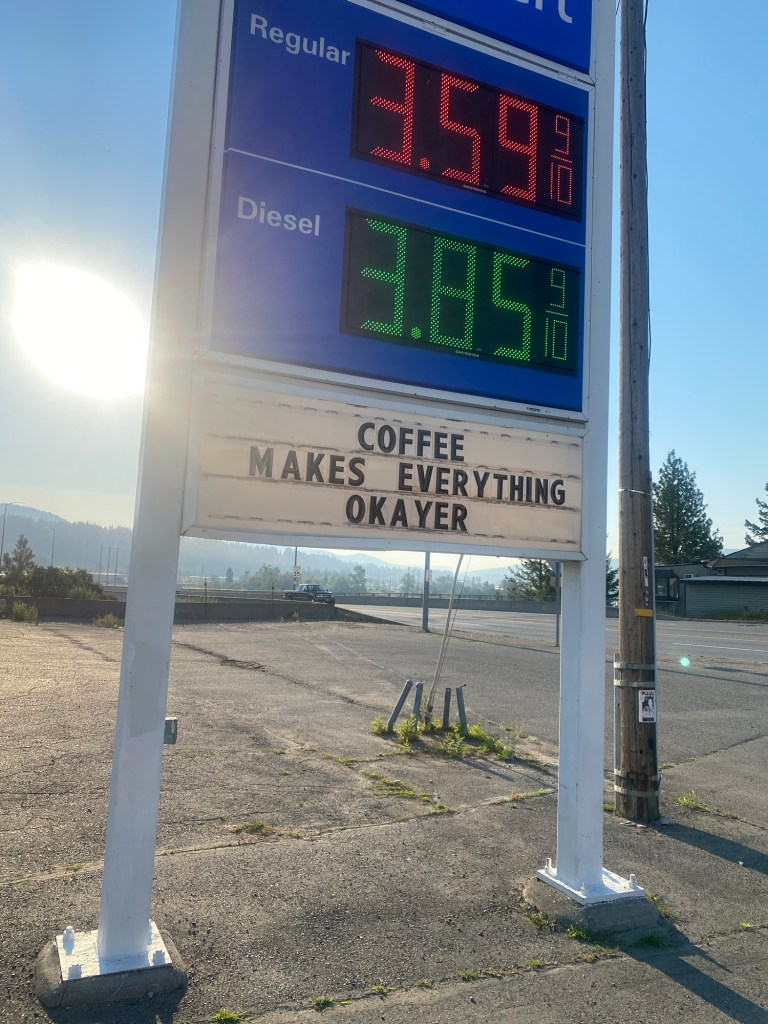
I was up early and checked out of my motel in Newport, WA at 6:30 a.m. today (Tues. 7-9) to tackle some miles while the day was still relatively cool. This was a challenge, however, in that my motel, the Antler Inn, doesn’t offer coffee or a way to make it in the rooms, attributing this to safety protocols needed to deal with Covid risks. Getting an early start to my day was fine, but trying to do so without coffee was inhumane. Fortunately, there was a Mobil station with coffee just a few blocks away. Their sign is quirky, but it shows they understand how important some of us find our morning cup.
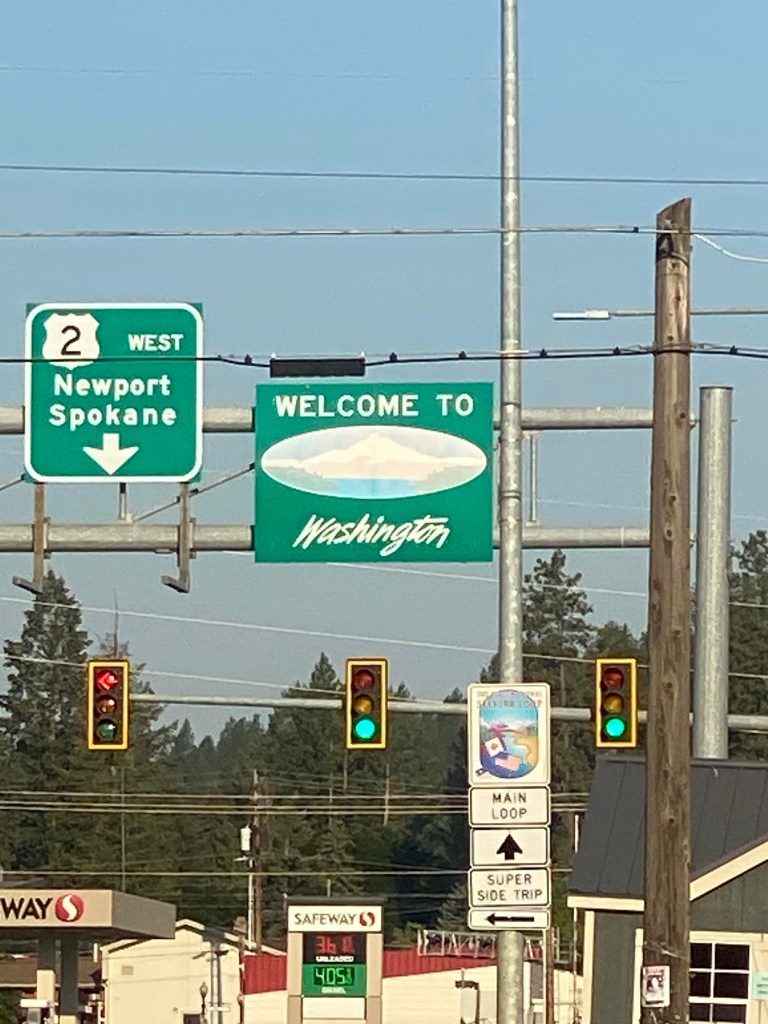
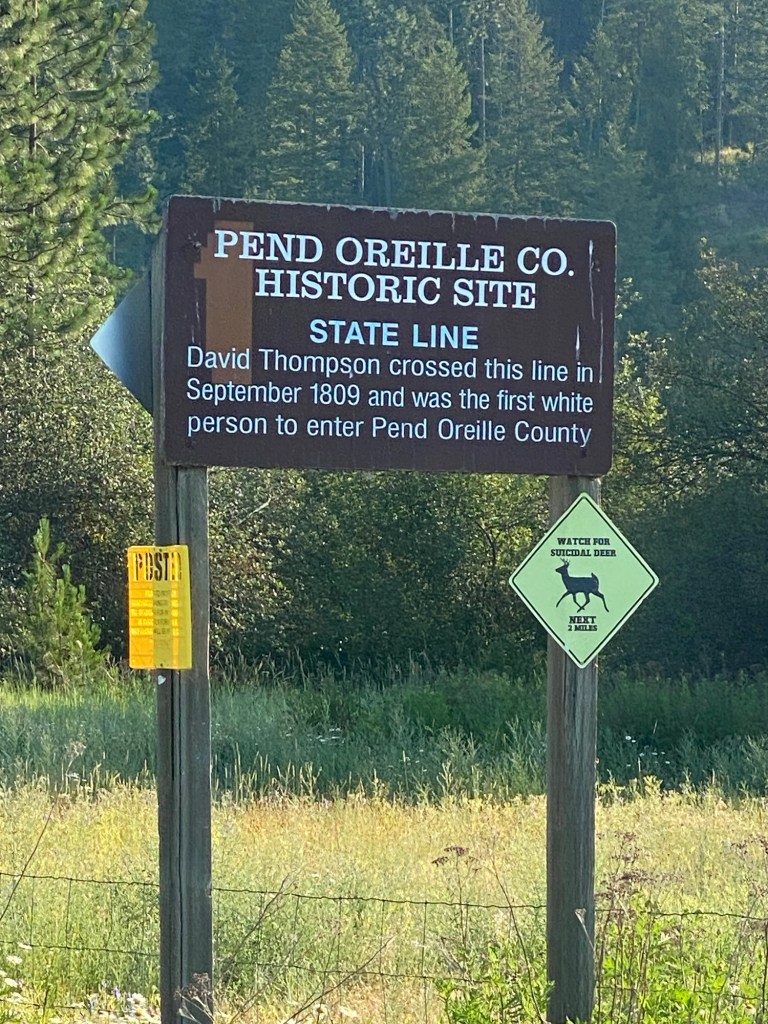
I mentioned yesterday that I hadn’t yet seen a welcome sign for crossing the Idaho border into Washington. My route this morning crossed back into Idaho for a bit, and I came across these two signs, one of which is also a historical marker noting that in 1809, the first white person, David Thompson, entered Pend Oreille County, Washington
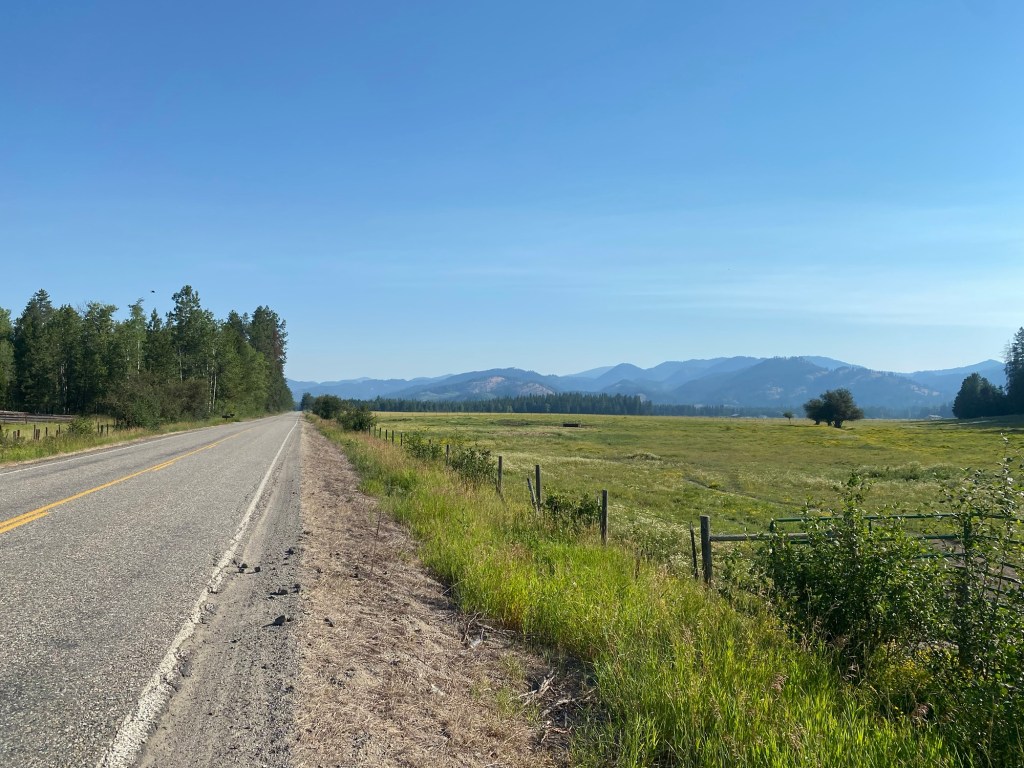
My route this morning was almost entirely on LeClerc Road. There was little or no shoulder on the road, but traffic was very light, making it a very enjoyable ride through some beautiful country. The morning started out with temperatures in the sixties, and because the area is so heavily wooded, I was mostly in the shade until it got closer to noon. By 10:30 a.m., the temperature had gotten up to 83 degrees, but by then I had already ridden 34 miles of my 51-mile route. When I arrived in Ione at 1 p.m., it was 93 degrees.
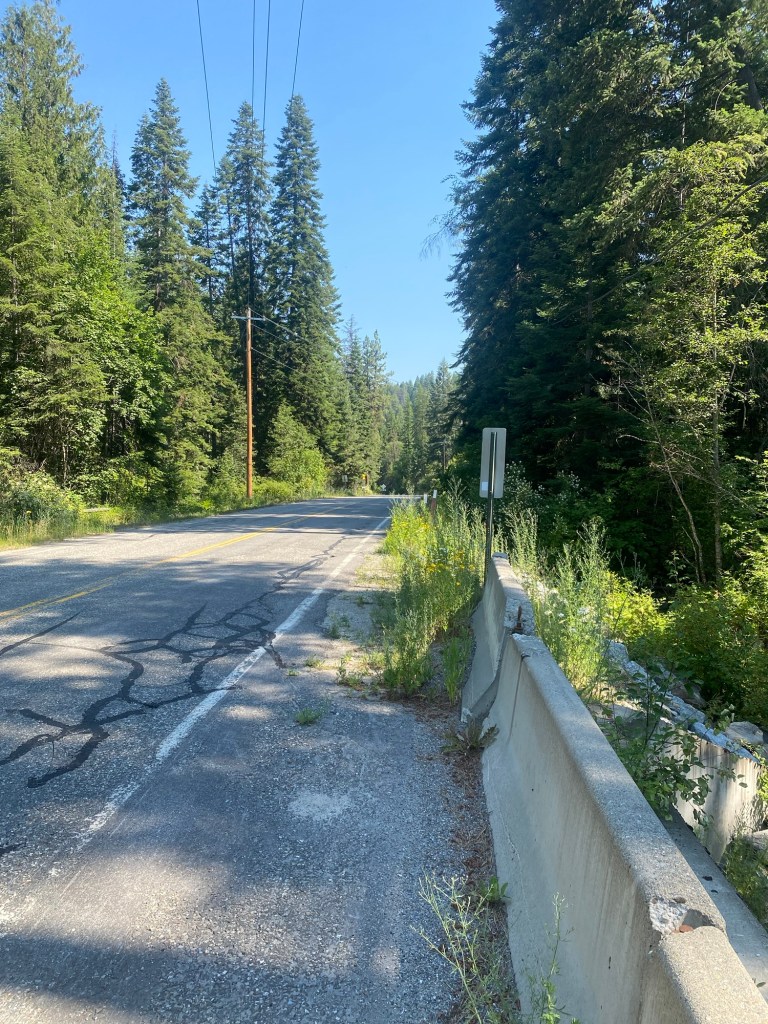
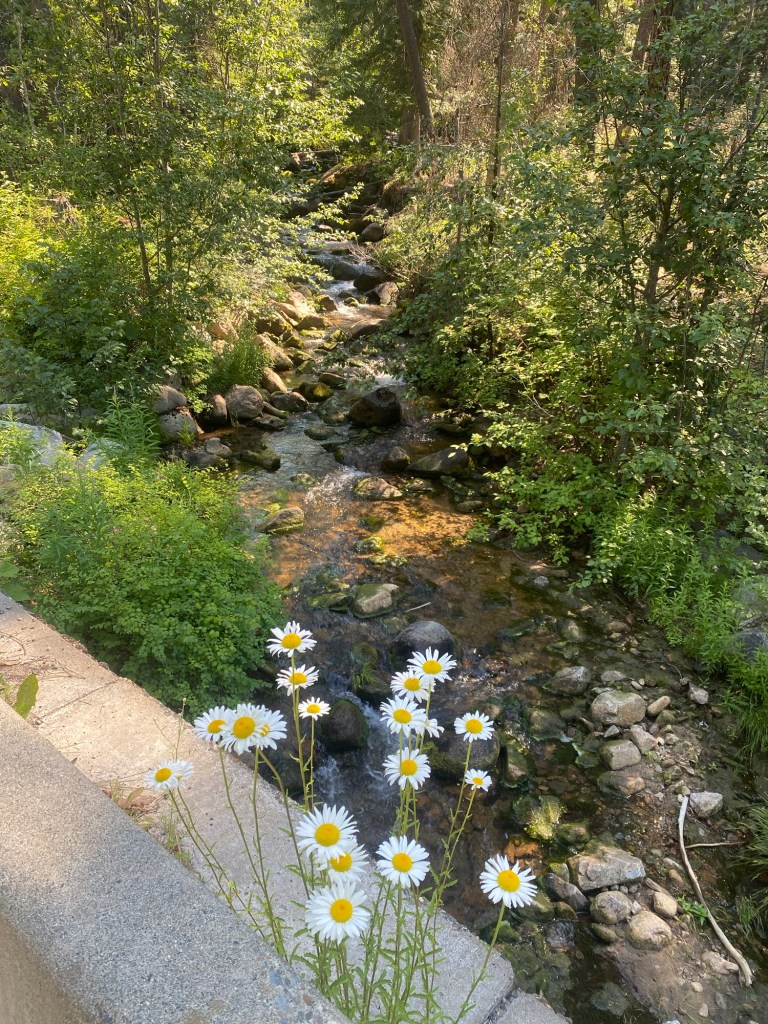
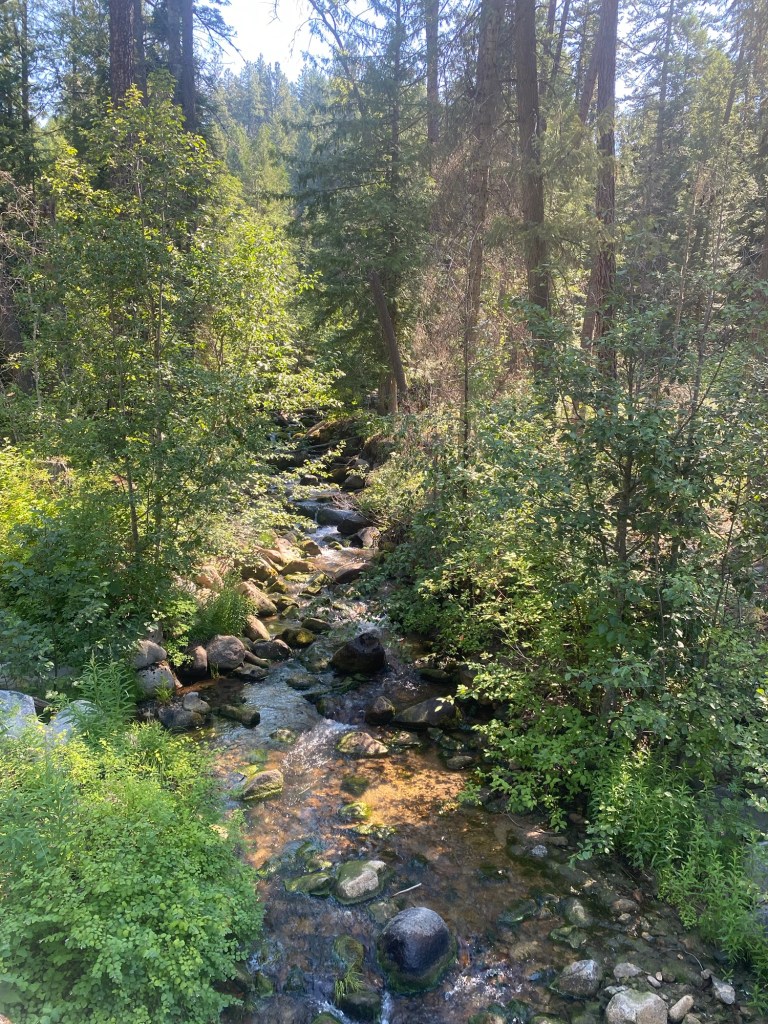
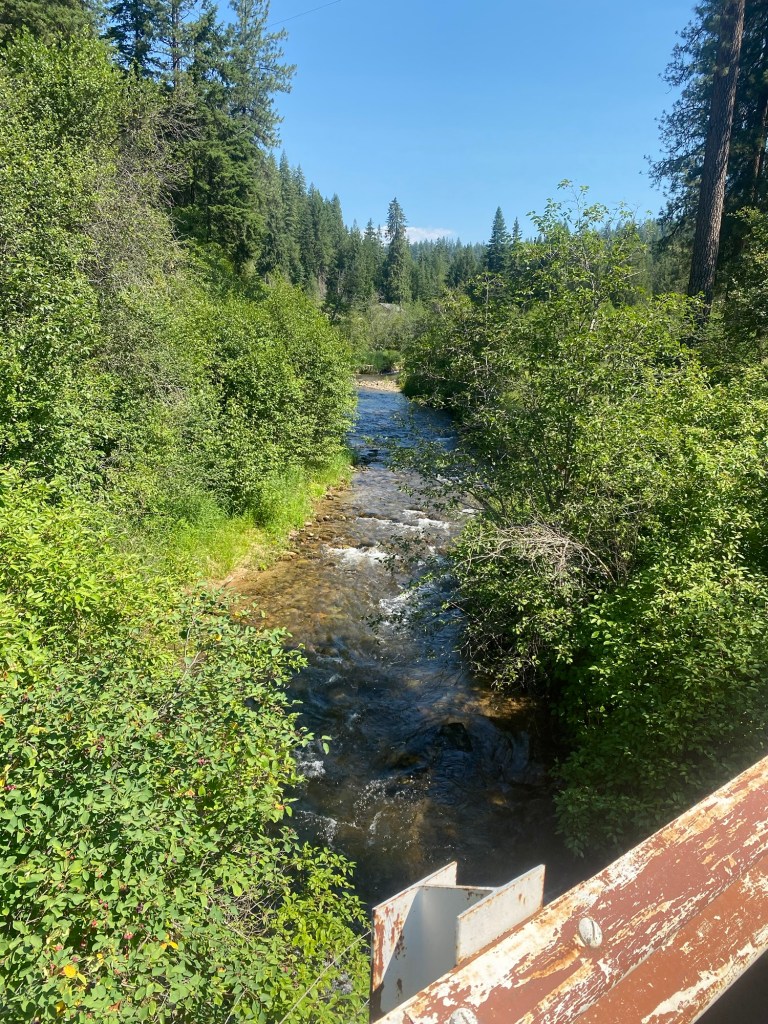
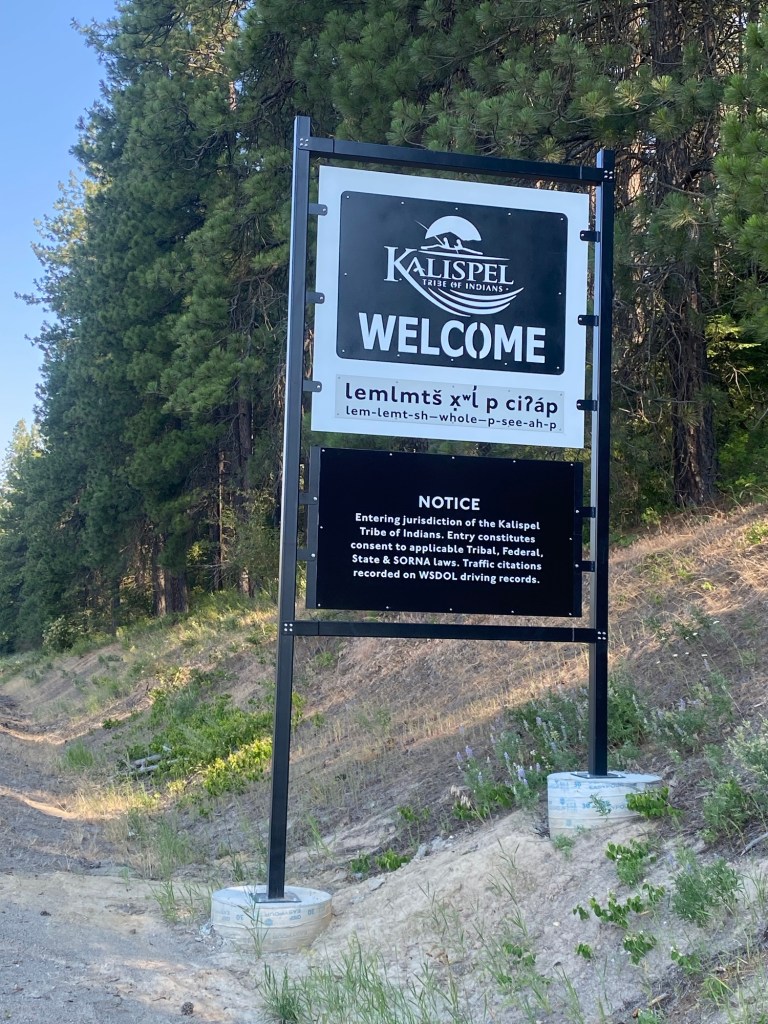
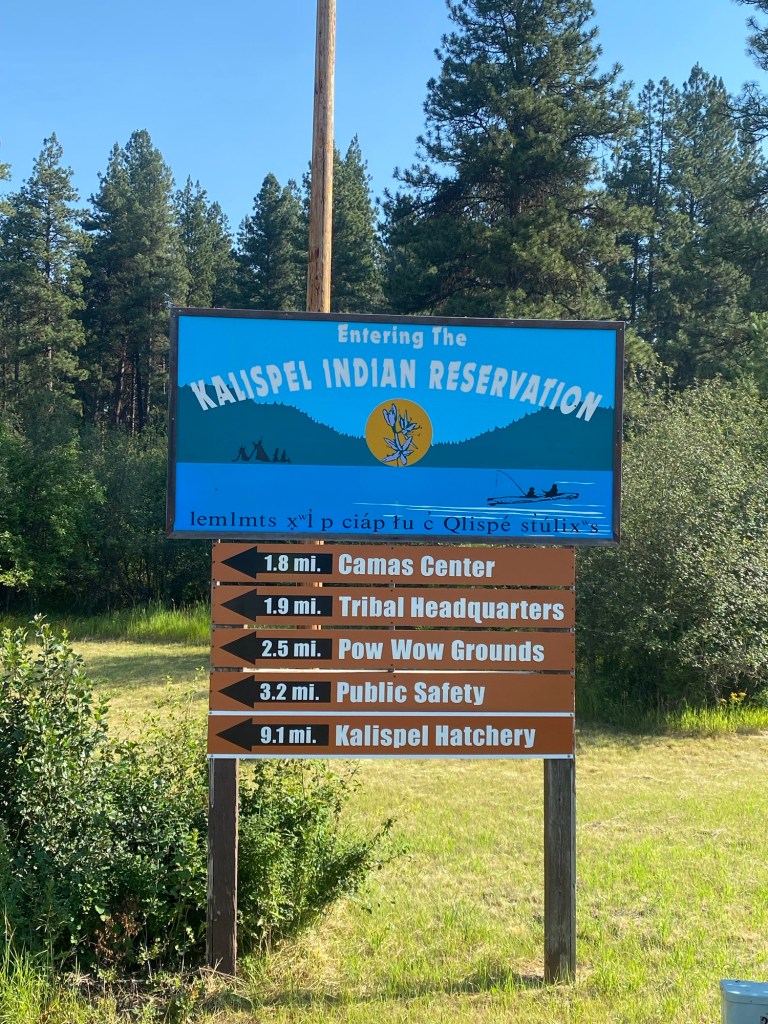
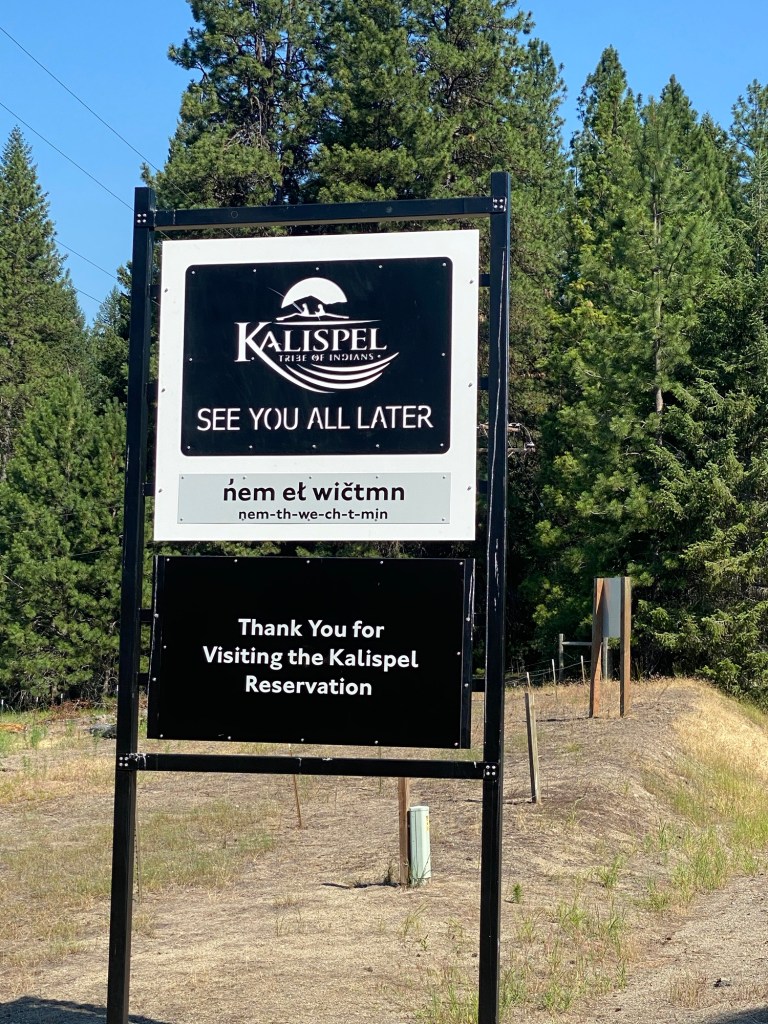
About 20 miles of my ride was through the Kalispel Indian Reservation, which was very pleasant except for one encounter with a really ornery and rather scary dog. I had no chance to outrun him, since he came right up to me just as I was passing by. I stopped rather than risk having him take a bite out of my leg and conjured up an “I’m OK, you’re OK” soliloquy that I exuberantly delivered in an over-the-top friendly way. Somehow that worked. We didn’t end up friends, but he decided I wasn’t worth the trouble and headed back home.
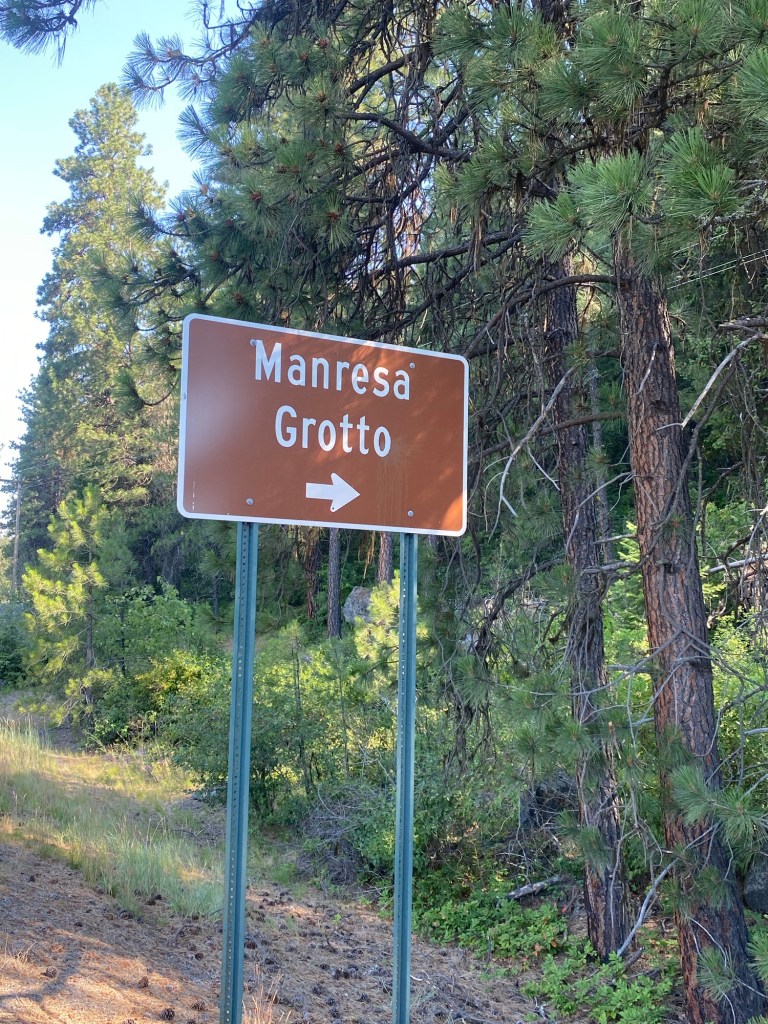
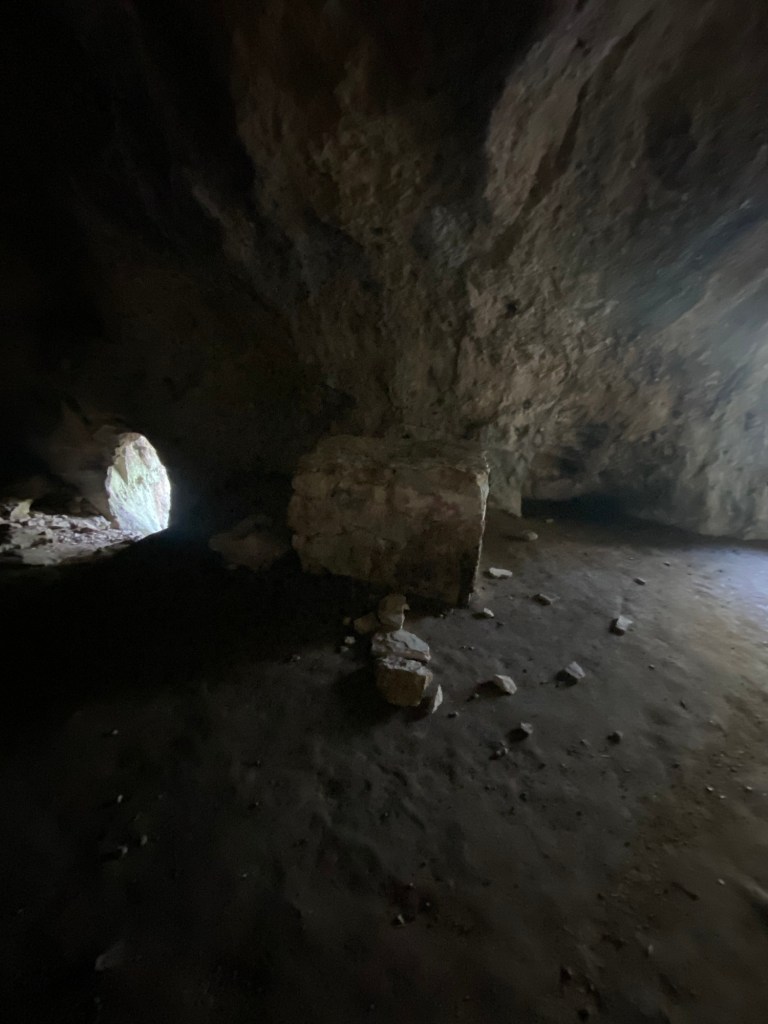
About 30 miles into my ride, I was surprised to come across the Manresa Grotto, where Father Pierre Jean DeSmet, a Jesuit missionary, established a chapel in a cave in the 1840s. In his work in the area, he baptized nearly 200 Indians, many of whom were part of the Kalispel tribe. Father DeSmet named the cave Manresa in honor of St. Ignatius of Loyola, founder of the Jesuit order, who lived and prayed in a now-famous cave in Manresa, Spain. Father DeSmet is said to have proclaimed, “may the Indians gather in… this new Manresa…and be penetrated with a feeling sense of heavenly things, and inflamed with the love of God.” I saw no one else while I was there, but online sources indicate that the site is a revered spiritual retreat for the Kalispel people and visitors to the area.
The Grotto is a natural cave in the Selkirk Mountains overlooking the Pend Oreille River valley.
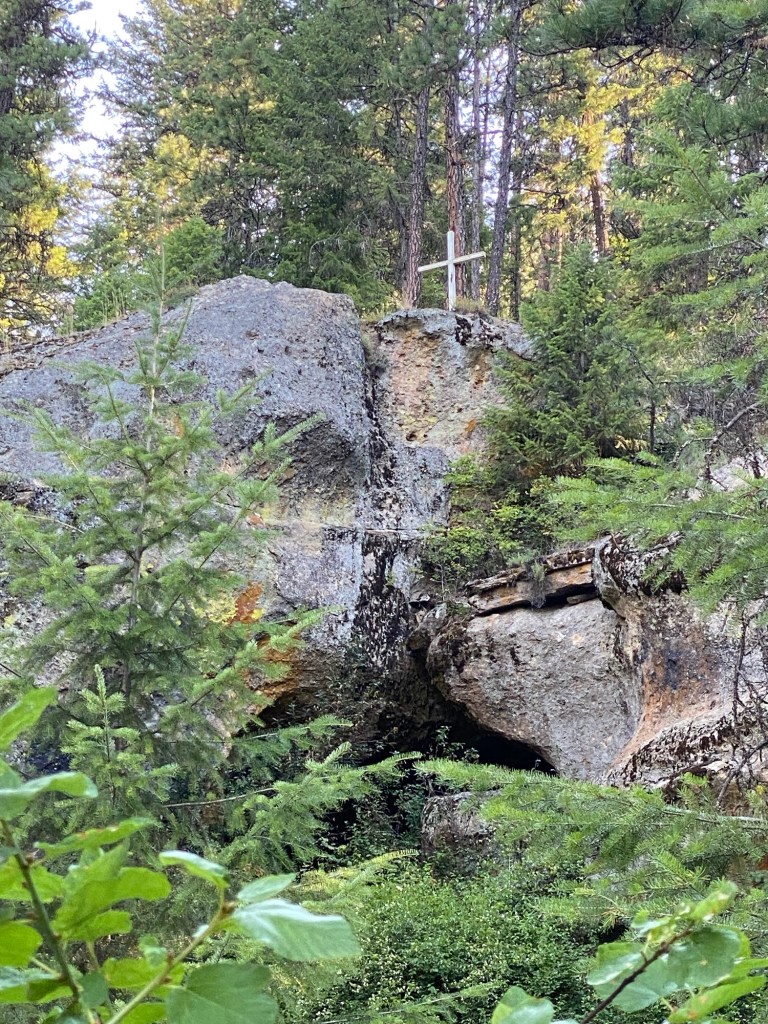
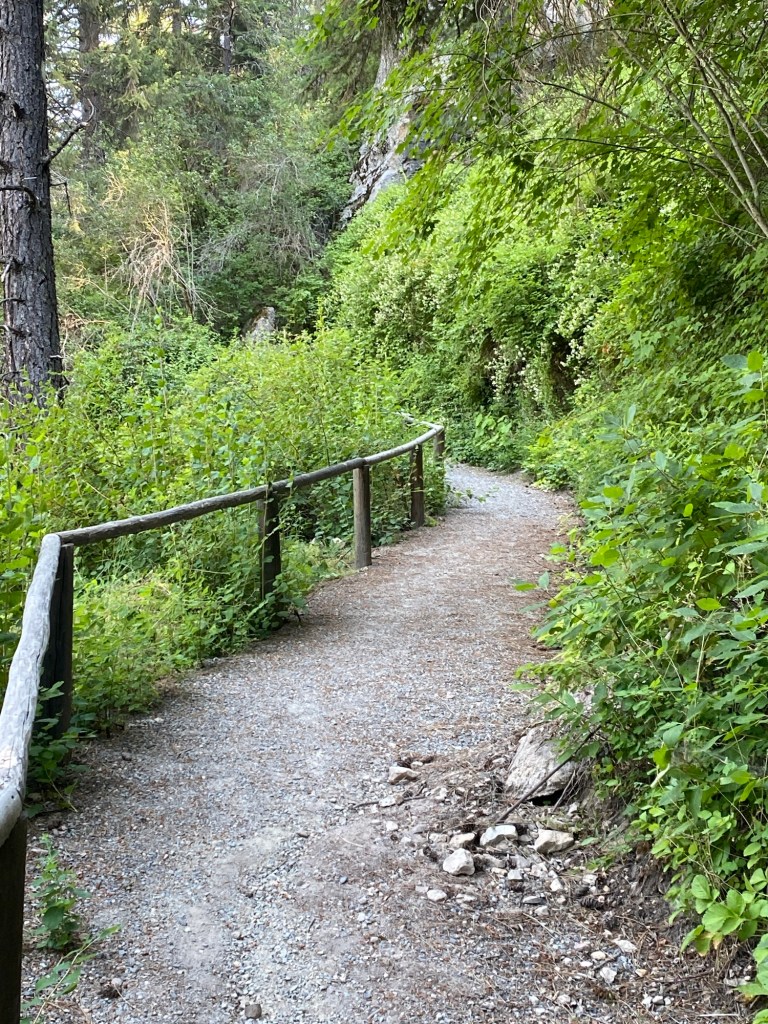
There is a short pathway leading up to the cave.
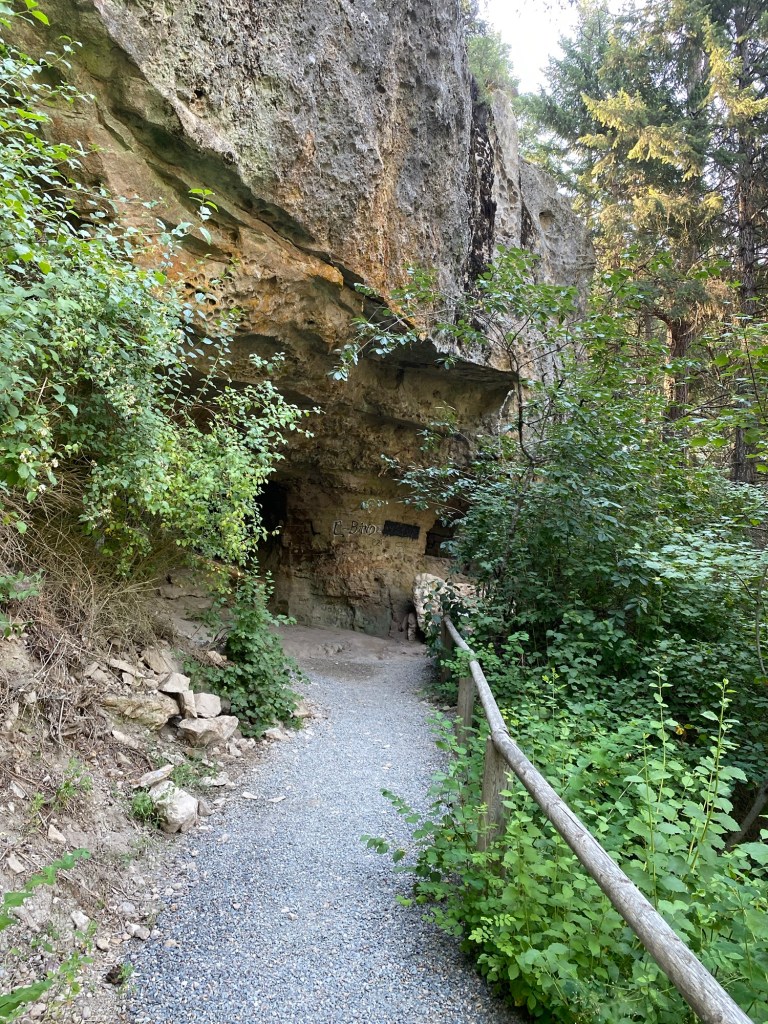
Here is the opening to the cave.
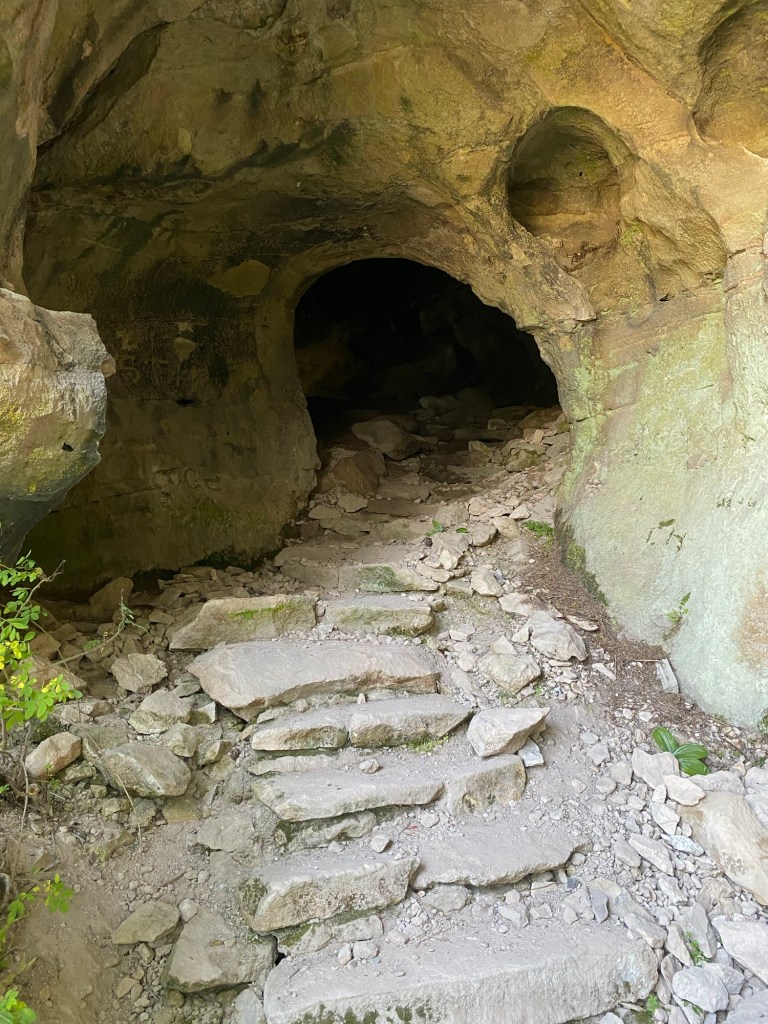
And the steps leading inside.
Inside the cave, there are stone seats arranged like pews and a stone altar between two openings to the cave.
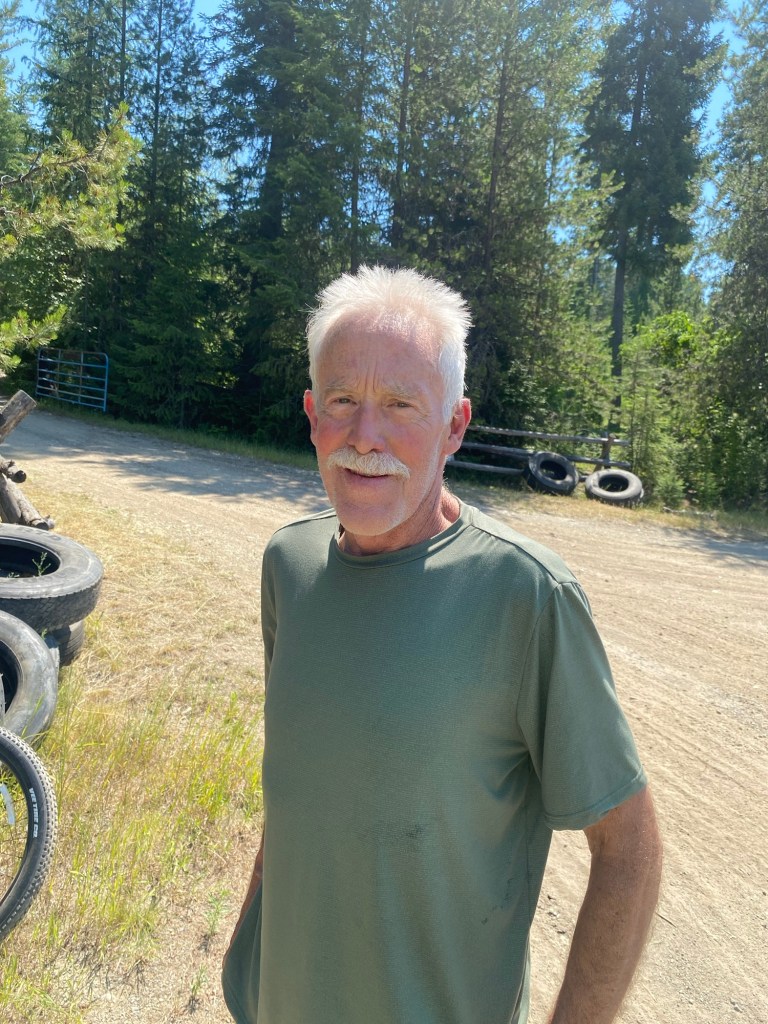
Not far beyond the Kalispel Reservation, I met Matt, who grew up in the area and has lived here for many years. He was out riding a gravel bike when I saw him, and he did his best to help me figure out the cause of a rotational noise my bike has started to make. Matt was recently involved in the restoration of an old barn that was across the road from where I met him. He said that by this time next year, they may be hosting travelers like me there. The restoration of the barn appears to have been a very painstaking project that was true to much of its original design and materials. Matt sent me a blog post that tells the story of the work they did. Here it is in case you’d like to check it out: https://savingthebarn.blogspot.com/2019/06/the-year-was-1912-when-homesteaders.html
According to his “Saving the Barn” blog, Matt also operates an American Tree Farm System sustainable-yield forest. All structural and siding materials for the restoration project were sourced from the property, and trees were harvested and siding was milled on site by Matt.
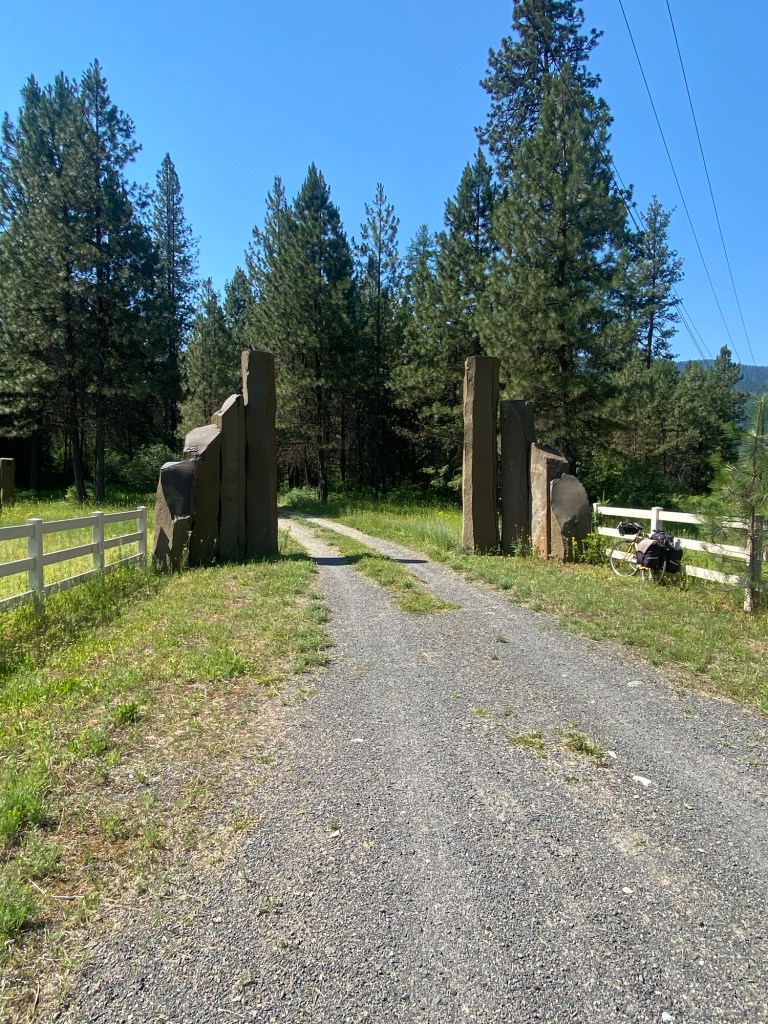
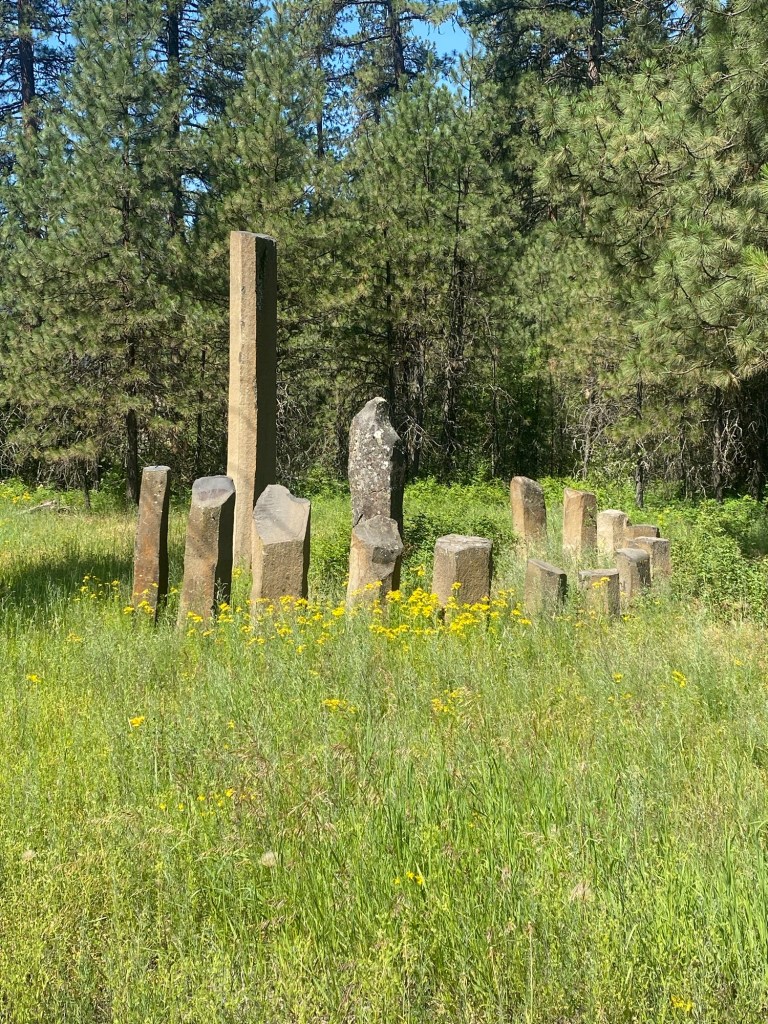
I passed a rather unusual entrance to a private residence not long before I met Matt. The entrance to the property features tall stone pillars, and on either side of the driveway are stones laid out like the Stonehenge in England. I asked Matt about this, and he was aware of the property but didn’t know why the owners had placed them there.
I crossed the Pend Oreille River on the Sullivan Lake Road Bridge on my way into Ione.
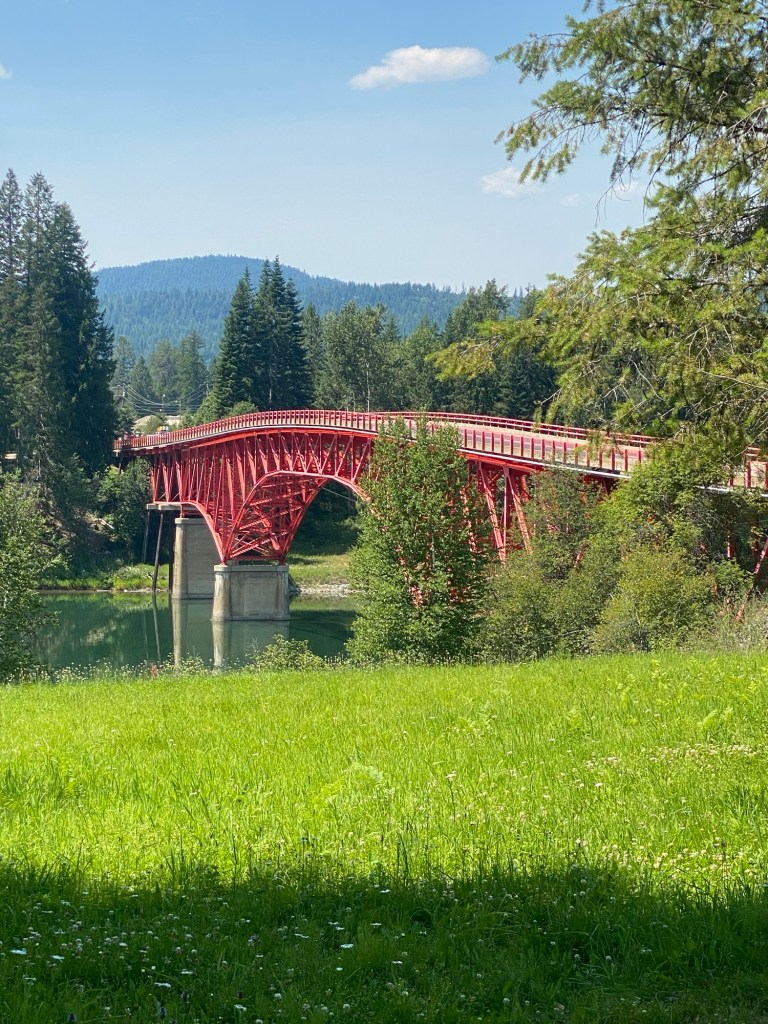
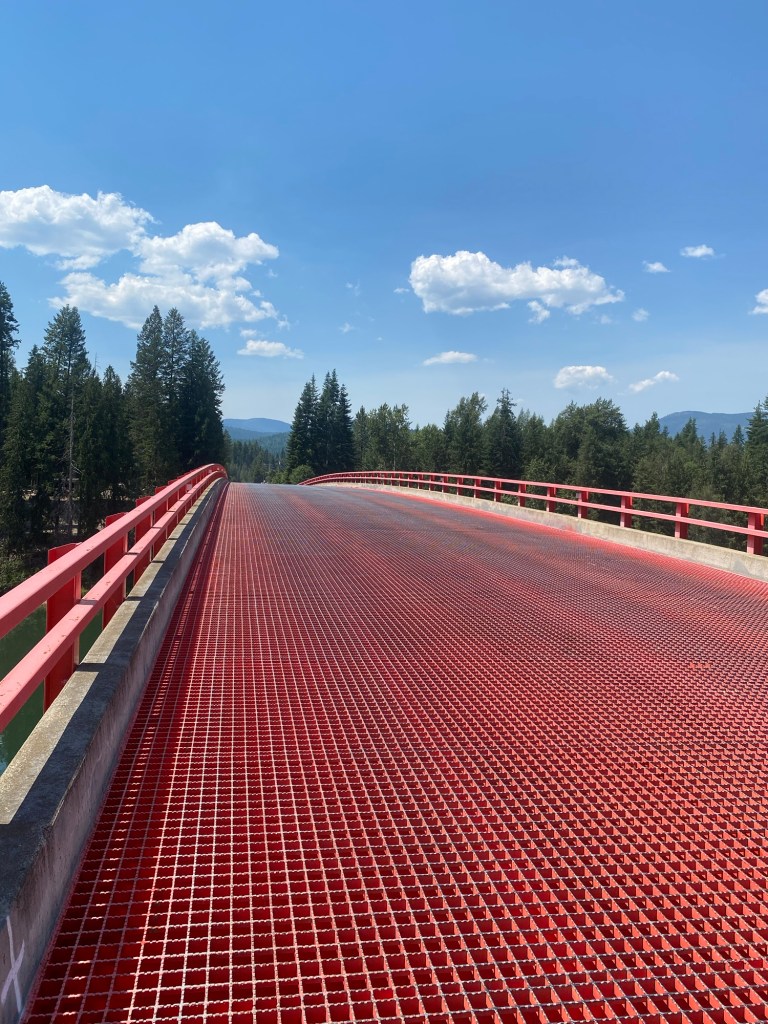
The bridge has a metal grate surface.
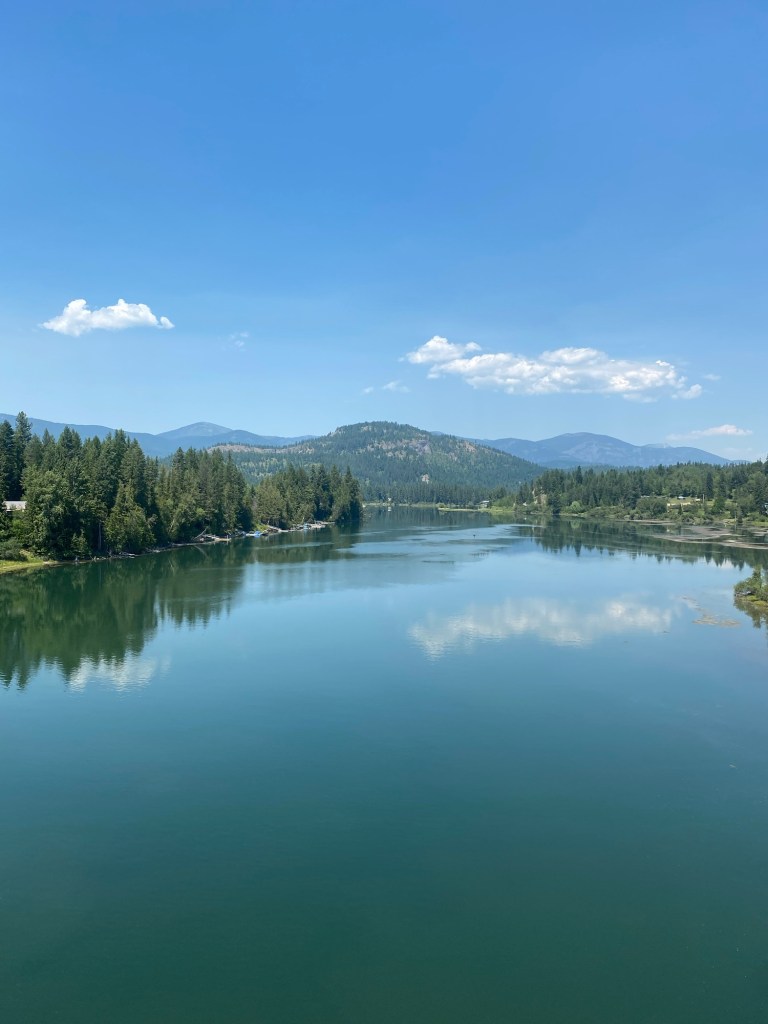
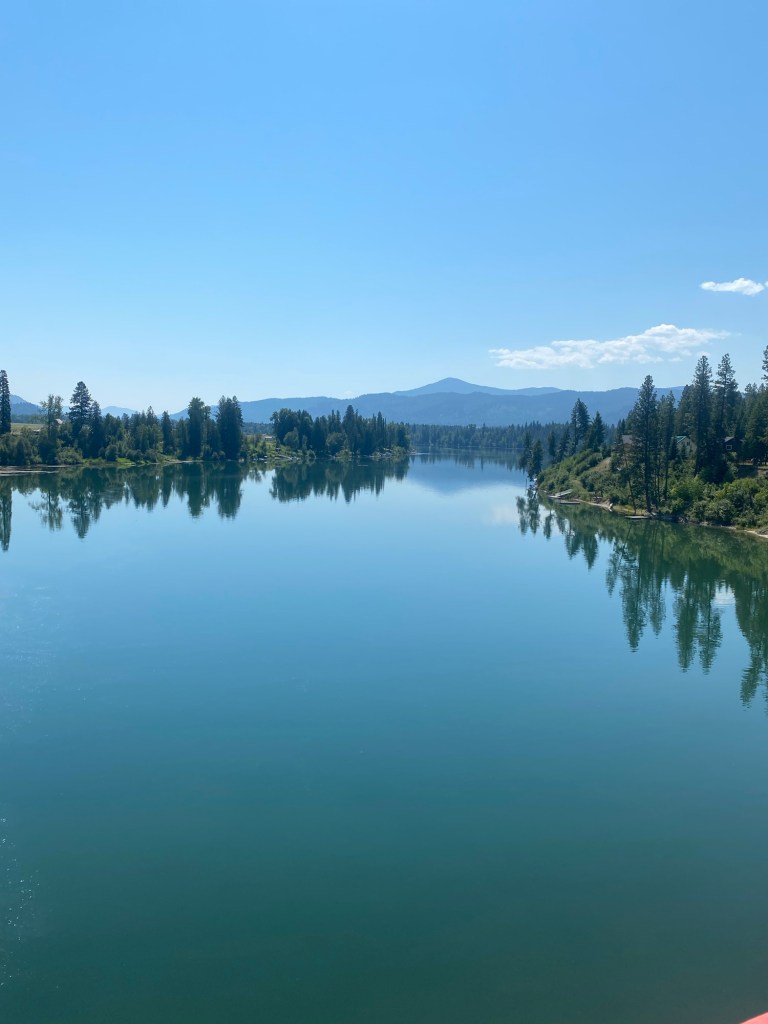
And here is the view from either side of the bridge.
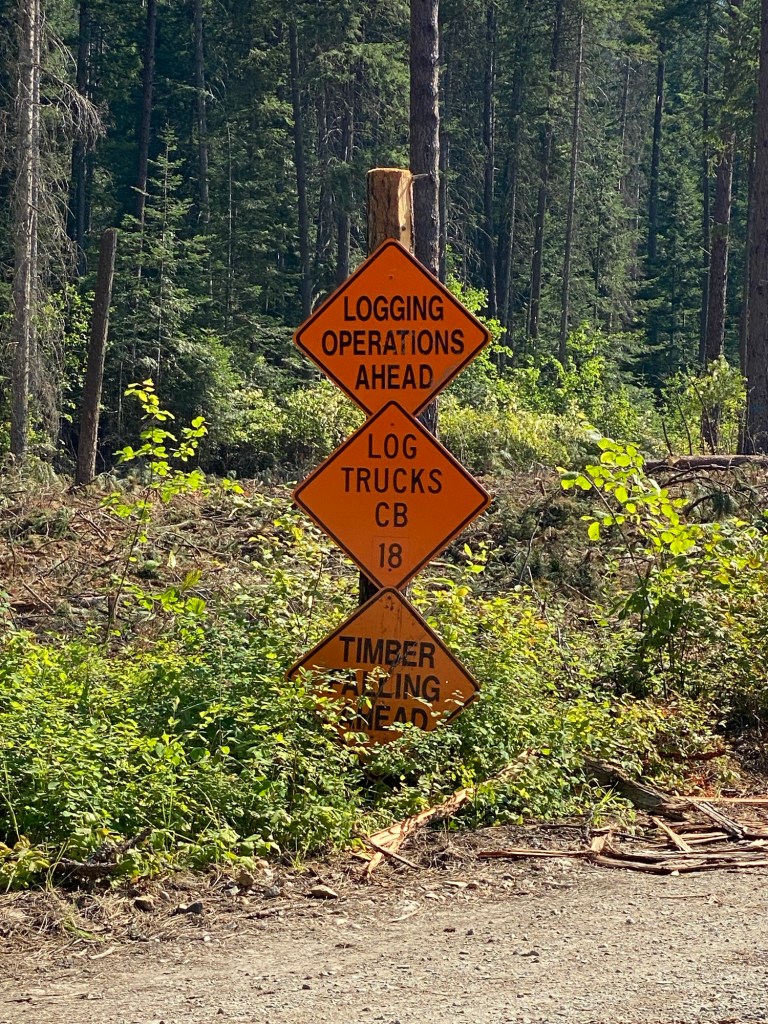
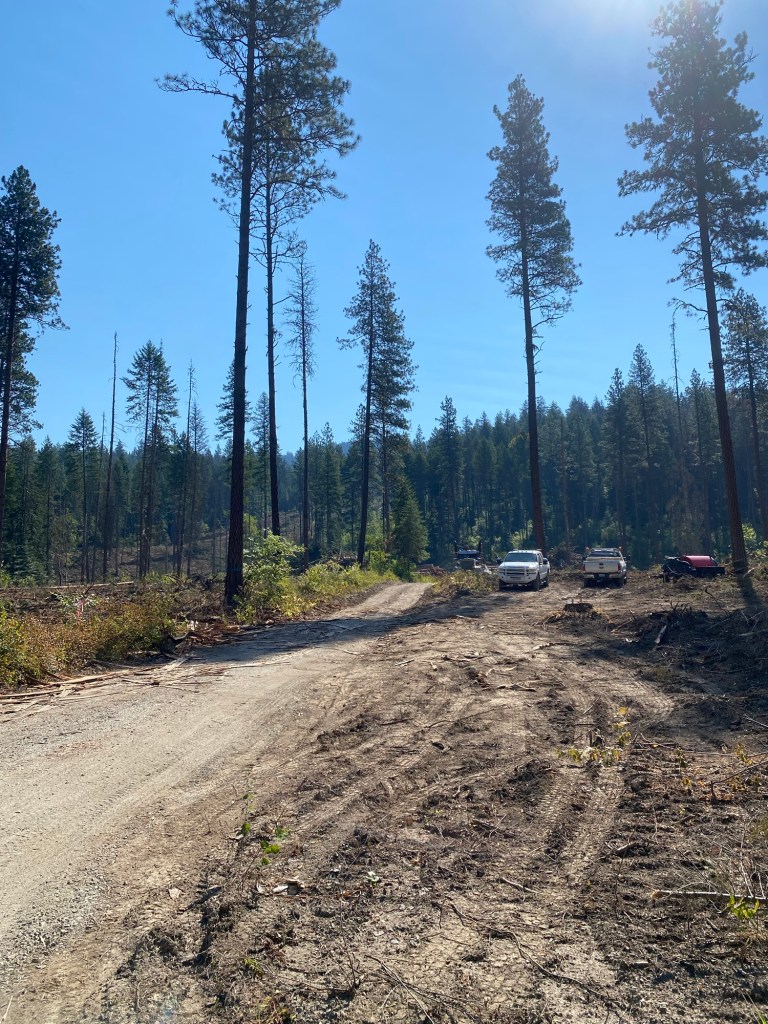
One more thing about today’s ride. Like much of the country I’ve passed through over the past couple weeks, there is a lot of logging in this area. I saw a dozen or more logging trucks on this morning’s route and passed this logging site. The partially hidden sign on the bottom says, “Timber Falling Ahead.”
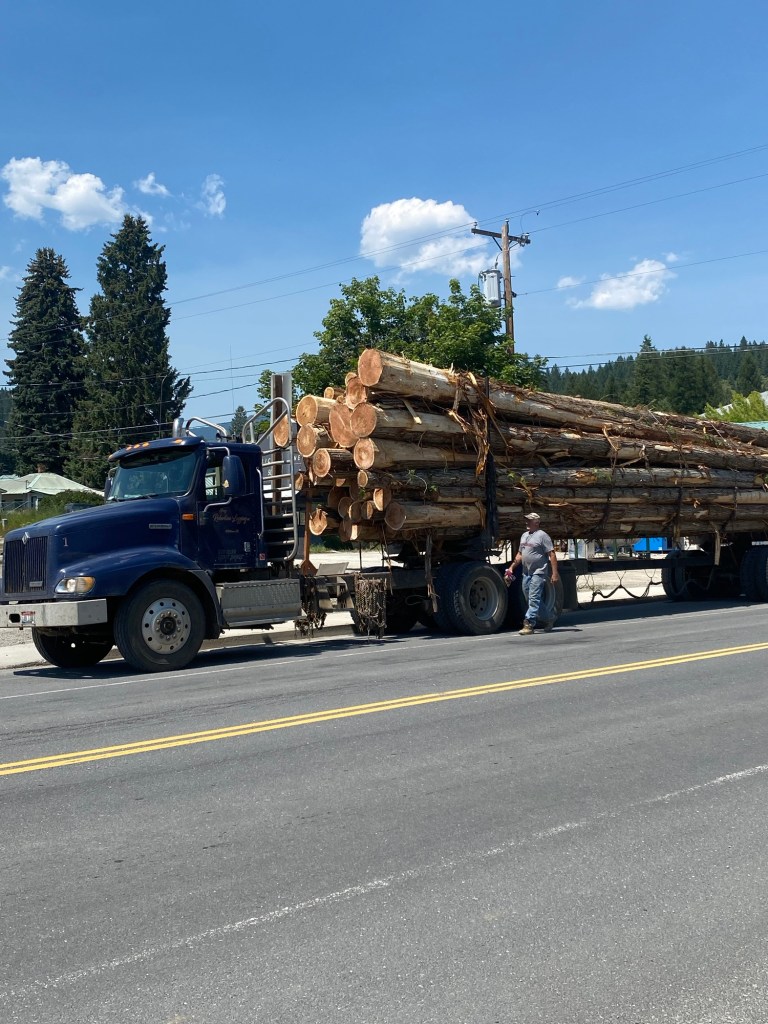
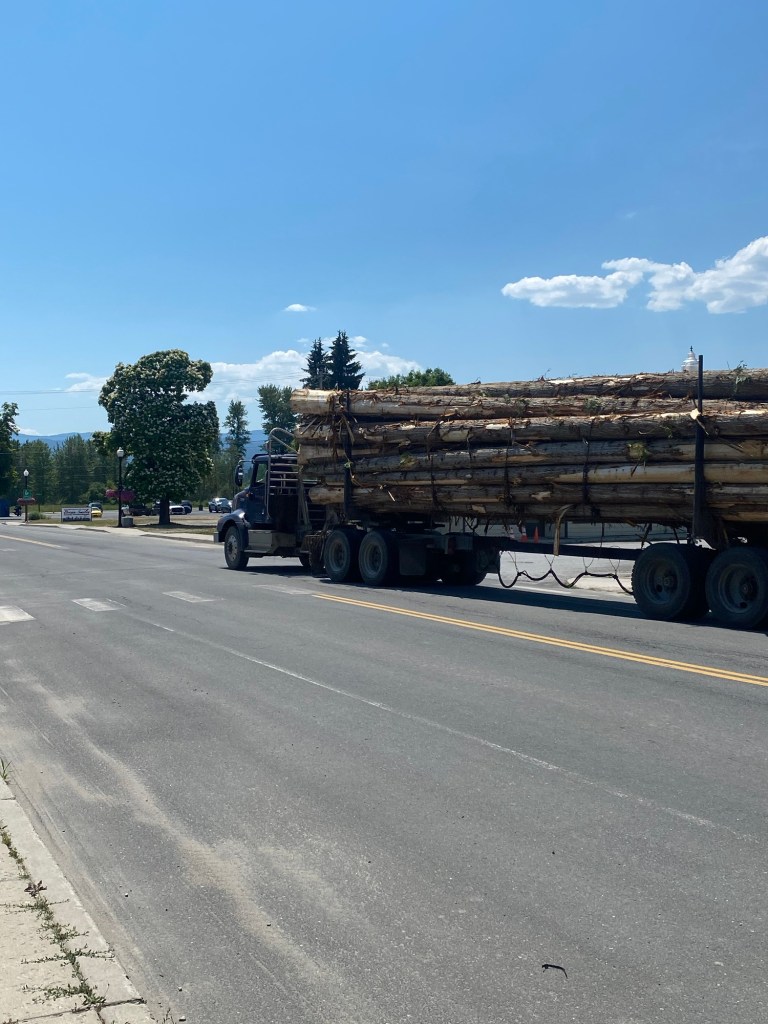
Here are two views of a logging truck I saw in Ione.
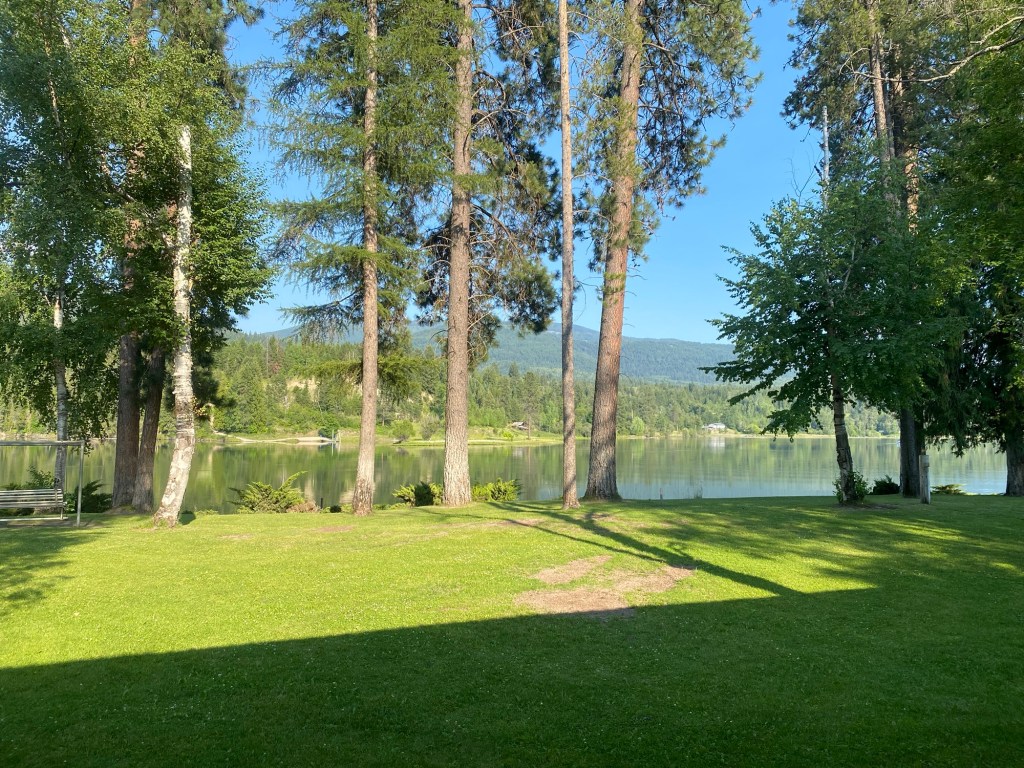
I had a chance to visit this city park in Ione, which has a large picnic pavilion and playground overlooking the Pend Oreille River.
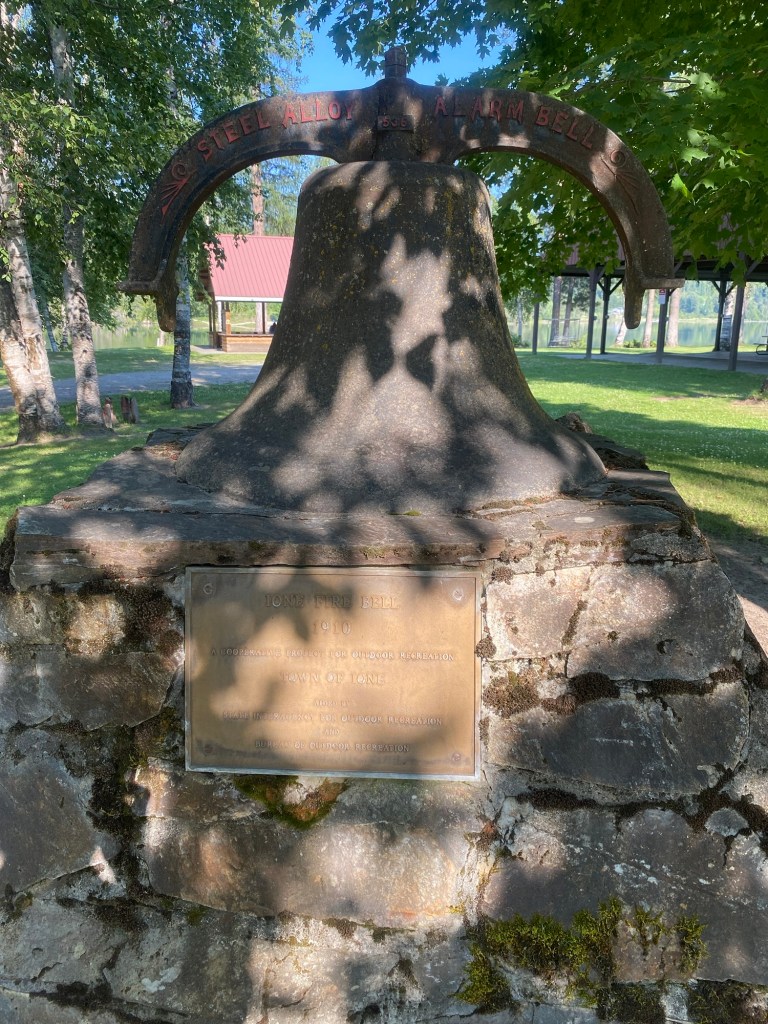
This old “Steel Alloy Alarm Bell” is on display in the park. The inscription reads, “Ione Fire Bell/1910” and indicates that the park was a “cooperative project for outdoor recreation” for the town of Ione that was developed with the assistance of two state agencies.
I am a bit apprehensive about tomorrow’s ride to Colville, WA (pop. 4,673), which will begin with a very steep climb involving a number of switchbacks up a mountain pass. The thermometer is predicted to hit 101 degrees by tomorrow afternoon in Colville, so once again I’m aiming for an early departure.


 Joe Green's Bike Adventure
Leave a comment